How to Freeze Asparagus: Keep Spears Fresh for a Year and Enjoy Peak Flavor Anytime
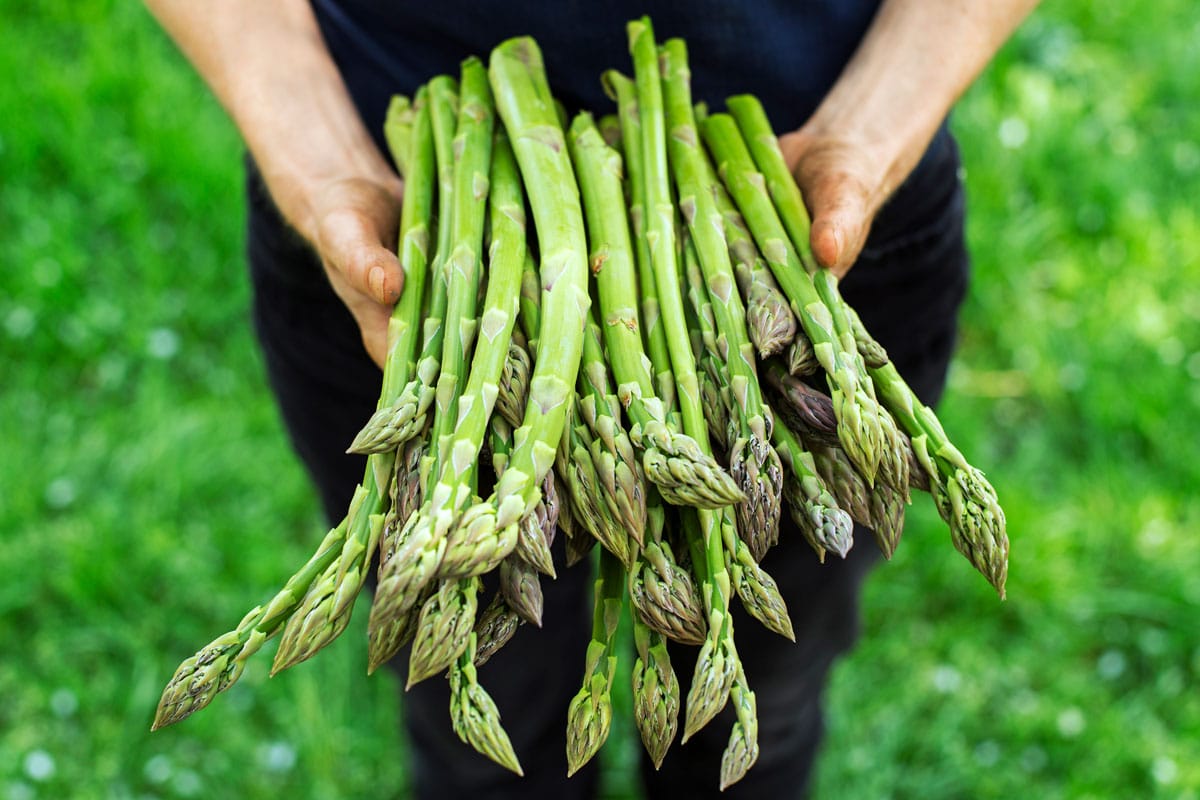
Few vegetables herald the arrival of spring quite like fresh asparagus. Its tender spears, vibrant green hue, and distinctive flavor are a culinary delight. However, its peak season is fleeting, often lasting only a few short weeks. If you've ever found yourself with an abundance of these delicious spears – perhaps from a garden harvest or a fantastic farmer's market deal – you know the bittersweet feeling of wanting to savor them but fearing they'll spoil. The good news? You can easily extend their lifespan by up to a year! Learning how to freeze asparagus is a simple yet incredibly effective way to capture that springtime freshness and enjoy it throughout the seasons.
Far from being a complicated process, freezing asparagus is a straightforward method that preserves its nutritional value, color, and most importantly, its taste and texture for future meals. Don't let those precious bundles go to waste in your fridge; with a few simple steps, you can ensure a supply of healthy, versatile asparagus ready for stir-fries, casseroles, pasta dishes, or as a vibrant side any time of year.
Why Freezing Asparagus is a Game-Changer
Fresh asparagus has a notoriously short shelf life, typically lasting only three to five days in the refrigerator, even with proper storage. This brief window often leads to food waste and, consequently, wasted money. Freezing solves this problem beautifully, offering several compelling benefits:
- Extends Shelf Life Dramatically: Frozen asparagus can last 8 months to a full year, giving you ample time to use it.
- Prevents Waste: Turn an overflow of fresh spears into a convenient freezer stash, ensuring nothing goes to landfill.
- Year-Round Enjoyment: Savor the taste of spring-fresh asparagus even in the depths of winter, long after its season has passed.
- Saves Money: Take advantage of seasonal sales or garden harvests without worrying about spoilage.
- Preserves Nutrients: When properly blanched and frozen, asparagus retains a significant portion of its vitamins and minerals.
- Convenience: Having prepped asparagus in the freezer makes healthy meal prep a breeze.
While you might be tempted to simply toss fresh asparagus directly into the freezer, there's a crucial step involved that makes all the difference: blanching. Skipping this step can lead to a mushy, discolored, and unappetizing product when thawed. For a deeper dive into why blanching is non-negotiable, check out our article: Why You Must Blanch Asparagus Before Freezing: Avoid Mushy Veggies.
Your Step-by-Step Guide: How to Freeze Asparagus Perfectly
Freezing asparagus is a three-part process: preparation, blanching, and freezing. Each step is essential for preserving the quality of your spears.
Step 1: Prepare Your Asparagus
Thorough preparation sets the stage for successful freezing. This involves cleaning, sorting, and trimming your spears.
- Sort and Inspect: Lay out your asparagus spears and carefully examine them. Discard any that appear shriveled, soggy, brown, or otherwise compromised. You want to freeze only the freshest, healthiest spears.
- Wash Thoroughly: Place the asparagus in a colander and rinse them under cool, running water. Ensure all dirt and debris are removed.
- Dry Completely: This is a critical step that many overlook. Lay the washed asparagus on clean kitchen towels and pat them thoroughly dry. Excess moisture can lead to ice crystals and freezer burn later.
- Trim the Woody Ends: Hold each spear firmly and bend it; it will naturally snap where the tender part meets the tough, woody end. Alternatively, use a sharp knife to trim off the bottom inch or two from the entire bunch. If the bottoms are particularly uneven, a vegetable peeler can be used to lightly shave them for a uniform look, though this is primarily for aesthetics.
Step 2: Blanch the Asparagus
Blanching is the secret to vibrant, flavorful, and properly textured frozen asparagus. This quick heat treatment stops enzyme action that causes spoilage, preserves color and nutrients, and ensures a pleasant texture when thawed.
- Prepare Boiling Water: Fill a large pot with water and bring it to a rolling boil.
- Prepare an Ice Bath: While the water heats, fill a large mixing bowl with ice and water. This "ice bath" is crucial for rapidly stopping the cooking process after blanching.
- Blanch the Asparagus: Carefully add the prepared asparagus to the boiling water. Do not overcrowd the pot; blanch in batches if necessary, especially if you have a large quantity. The blanching time depends on the thickness of your spears:
- Thin spears: 2 minutes
- Medium spears: 3 minutes
- Thick spears: 4 minutes
- Quickly Cool in Ice Bath: As soon as the blanching time is up, use a slotted spoon or tongs to immediately transfer the asparagus from the boiling water into the ice bath. This rapid cooling halts the cooking process, preventing the asparagus from becoming mushy. Let them cool in the ice bath for the same amount of time they were blanched.
- Dry Again, Thoroughly: Once completely chilled, remove the asparagus from the ice bath and pat them *very* dry with clean kitchen towels. Any residual water will turn into ice crystals in the freezer, affecting texture.
Step 3: Freeze and Store Your Asparagus
The final stage ensures your asparagus freezes individually and is ready for long-term storage.
- Portion as Desired: Decide how you'll use the asparagus later. You can freeze the spears whole, or cut them into smaller, bite-sized pieces (e.g., 1-2 inches) if you plan to use them in stir-fries, casseroles, or soups.
- Pre-Freeze on a Baking Sheet: Arrange the dried, blanched asparagus in a single, even layer on a baking sheet. Make sure the spears are not touching each other; this prevents them from clumping together into a solid block.
- Flash Freeze: Place the uncovered baking sheet in the freezer for at least two hours, or until the asparagus is completely frozen solid. This "flash freezing" step ensures individual pieces, making it easy to grab just what you need later.
- Transfer to Freezer Bags: Once flash-frozen, transfer the solid asparagus spears to freezer-safe bags or airtight containers. Squeeze out as much air as possible from the bags (a straw can help, or use a vacuum sealer for best results).
- Label and Date: Don't forget to label each bag or container with the date. Frozen asparagus will maintain its peak quality for 8 months to a year.
Tips for Success and Using Frozen Asparagus
- Choose Wisely: Start with the freshest asparagus possible. Look for firm, bright green spears with tightly closed tips.
- Don't Thaw First (Usually): For most cooked dishes, you can add frozen asparagus directly to your recipes without thawing. This helps maintain a better texture. For example, toss frozen spears into stir-fries, steam them, or roast them in the oven (you may need to add a few minutes to the cooking time).
- Avoid Raw Applications: While perfect for cooking, frozen asparagus typically isn't suitable for raw uses like salads, as its texture softens considerably after freezing and thawing.
- Vacuum Sealing for Longevity: If you have a vacuum sealer, use it! Removing all air dramatically extends the freezer life and prevents freezer burn.
By following these simple steps, you can confidently freeze your asparagus and enjoy its fresh, vibrant flavor for months to come. Say goodbye to food waste and hello to year-round asparagus goodness!
Mastering how to freeze asparagus is a fantastic skill for any home cook, ensuring you can enjoy this nutritious vegetable long after its season ends. This method is not only practical but also incredibly rewarding, allowing you to capture the essence of spring in your freezer. So, the next time you encounter a bounty of beautiful asparagus, don't hesitate to stock up and preserve its freshness for future meals. For more tips on preserving your produce and reducing food waste, explore our guide: Stop Asparagus Waste: Your Easy Guide to Freezing Freshness.
