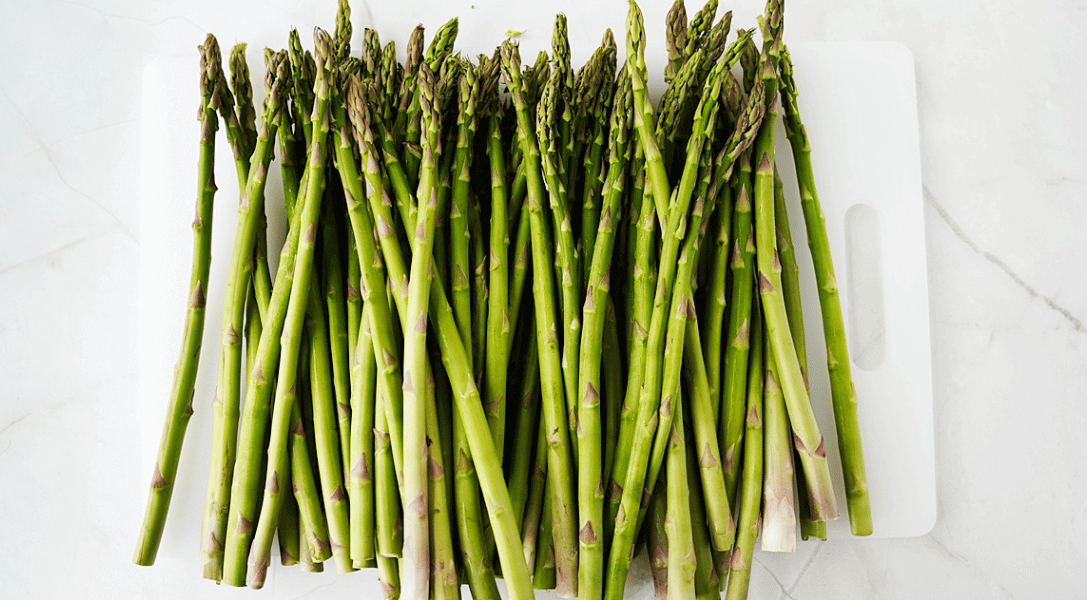
Stop Asparagus Waste: Your Easy Guide to Freezing Freshness
Are you an asparagus enthusiast who often finds yourself with more fresh spears than you can possibly consume before they start to wilt? You're not alone! Asparagus, while delicious and packed with nutrients, has a notoriously short shelf life in the refrigerator, typically lasting only three to five days. But what if there was a simple, effective way to lock in that vibrant green color, crisp texture, and healthful goodness for months? Good news: there is! Learning how to freeze asparagus is a culinary superpower that prevents waste, saves money, and ensures you have this versatile vegetable on hand whenever a craving strikes.
Many home cooks shy away from freezing vegetables, imagining a complicated process or a subpar outcome. However, when it comes to asparagus, the method is surprisingly straightforward, yielding results that are perfect for a myriad of dishes. Forget about letting those beautiful bundles go to waste; it's time to embrace the freezer as your ally in culinary efficiency and fresh flavor preservation.
Why Freezing Asparagus is a Game-Changer for Your Kitchen
Beyond simply extending its lifespan, incorporating frozen asparagus into your cooking routine offers a wealth of benefits that can transform your meal prep and reduce food waste.
- Combat Food Waste: The most immediate benefit is preventing spoilage. Asparagus is a delicate vegetable, and even with optimal storage in the fridge, its days are numbered. Freezing halts the aging process, giving you months, not days, to enjoy your harvest or grocery haul.
- Cost Savings: Asparagus season, while delightful, is brief in many regions. By buying in bulk when prices are low or when it's freshly harvested, you can freeze your surplus and enjoy this gourmet vegetable year-round without paying premium off-season prices.
- Unmatched Convenience: Imagine whipping up a stir-fry, casserole, or pasta dish and effortlessly adding a handful of perfectly prepped asparagus, no washing or trimming required. Frozen asparagus is a time-saver, making healthy side dishes and meal components readily available.
- Nutritional Preservation: Done correctly, freezing asparagus actually helps lock in its impressive nutritional profile. Blanching, a crucial step we'll discuss, stops enzyme action that causes deterioration, helping to maintain vitamins, minerals, and that appealing bright green color.
- Versatility in Cooking: From quick weeknight dinners to elegant holiday buffets, frozen asparagus seamlessly integrates into countless recipes. While its texture might be slightly softer than fresh, it's ideal for dishes where it will be cooked further, such as roasted vegetables, frittatas, soups, and more.
It's important to note, however, that you can't simply toss raw asparagus spears into the freezer. Attempting to freeze fresh, uncooked asparagus will lead to a "mushy, mealy mess" when thawed, losing its appealing texture and flavor. The secret to success lies in one vital pre-treatment step: blanching.
The Essential Steps: Your Guide on How to Freeze Asparagus Perfectly
Mastering how to freeze asparagus is a simple process involving just a few key stages. Follow these steps for perfectly preserved spears every time.
Step 1: Selecting and Preparing Your Asparagus
The quality of your frozen asparagus starts with the quality of your fresh spears. Choose firm, bright green asparagus with tight, closed tips. Avoid any bunches with shriveled, soggy, or brown spears, as these are past their prime and won't yield good results.
- Sort and Inspect: Go through your asparagus bundle and discard any spears that show signs of spoilage or damage.
- Wash Thoroughly: Place the remaining healthy spears in a colander and rinse them under cool, running water to remove any dirt or grit.
- Dry Completely: This step is crucial! Lay the washed asparagus on a clean kitchen towel or paper towels and gently pat them completely dry. Excess moisture can lead to freezer burn and an undesirable texture.
- Trim the Ends: Hold an asparagus spear and bend it gently. It will naturally snap where the tender part meets the tough, woody end. Alternatively, use a sharp knife to trim off the hard, fibrous bottoms. For uneven ends, a vegetable peeler can lightly shave them for a uniform look.
Step 2: The Blanching Advantage (and Ice Bath Shock)
Blanching is the non-negotiable step that sets successful frozen asparagus apart from its mushy counterparts. This brief cooking process in boiling water followed by an immediate plunge into ice water stops enzyme action that causes spoilage, preserves color and nutrients, and pre-cooks the vegetable slightly for optimal texture post-freezing. For a deeper dive into why this step is so critical, read our article: Why You Must Blanch Asparagus Before Freezing: Avoid Mushy Veggies.
- Prepare Boiling Water: Bring a large pot of water to a rolling boil. Ensure there's enough water to completely submerge the asparagus.
- Prepare Ice Bath: While the water heats, fill a large mixing bowl with ice and cold water. This ice bath is essential for rapidly stopping the cooking process.
- Blanch the Asparagus: Carefully add the prepared asparagus spears to the boiling water. If your spears vary significantly in thickness, blanch them in batches (thinner spears for less time, thicker spears for more).
- Thin spears: 2 minutes
- Medium spears: 3 minutes
- Thick spears: 4 minutes
- Shock in Ice Bath: Immediately after blanching, quickly drain the asparagus and transfer it directly into the ice bath. Let it cool for the same amount of time it was blanched. This rapid cooling halts the cooking process, preserving the asparagus's vibrant color and preventing it from becoming overcooked.
- Dry Thoroughly (Again!): Once completely chilled, drain the asparagus from the ice bath and dry it meticulously with a clean towel or paper towels. Any residual water will turn into ice crystals, leading to freezer burn.
Step 3: Flash Freezing for Optimal Quality
Flash freezing is a crucial technique that prevents your asparagus from clumping together in the freezer, allowing you to easily grab just the amount you need later.
- Arrange on Baking Sheet: Depending on how you plan to use the frozen asparagus, you can leave the spears whole or cut them into smaller, bite-sized pieces now. Arrange the thoroughly dried asparagus in a single, even layer on a baking sheet. You can line the baking sheet with parchment paper for easier removal.
- Flash Freeze: Place the baking sheet in the freezer for at least two hours, or until the asparagus spears are completely solid.
Step 4: Long-Term Storage and Labeling
Once your asparagus is flash-frozen, it's ready for long-term storage.
- Transfer to Freezer Bags: Quickly transfer the solid frozen asparagus from the baking sheet into heavy-duty freezer bags or airtight containers.
- Remove Air: Squeeze out as much air as possible from the freezer bags before sealing. A vacuum sealer is ideal for this, as it virtually eliminates the risk of freezer burn.
- Label and Date: Label each bag or container with the contents ("Asparagus") and the date it was frozen. This helps you keep track of freshness.
- Store: Place the labeled bags in the deepest part of your freezer. Properly frozen and stored asparagus will maintain its quality for eight months to a year. For more detailed tips on maximizing freezer life, check out: How to Freeze Asparagus: Keep Spears Fresh for a Year.
Thawing and Using Your Frozen Asparagus
One of the best features of frozen asparagus is its versatility in cooking. For most applications, there's no need to thaw it completely before use. Simply add it directly to your recipe from frozen, adjusting cooking times slightly.
- Stir-fries: Add frozen asparagus directly to your wok or pan during the last few minutes of cooking.
- Soups and Stews: Drop frozen asparagus pieces into simmering soups or stews; they'll cook quickly.
- Casseroles: Mix frozen asparagus into your favorite casserole recipes before baking.
- Pasta Dishes: Add frozen asparagus to the pasta water during the last minute or two of cooking, or toss it directly into a warm pasta dish.
- Roasting: While it might be slightly softer than fresh roasted asparagus, you can still roast frozen spears. Toss them with olive oil, salt, pepper, and your favorite seasonings, then roast at a higher temperature (e.g., 400°F / 200°C) until tender-crisp.
- Steaming: Steam directly from frozen, usually for 3-5 minutes, until tender.
Keep in mind that while frozen asparagus retains most of its fresh flavor and nutrients, its texture will be a bit softer due to the freezing and thawing process. This makes it less ideal for dishes where a very crisp texture is paramount, but perfectly suited for those where it's cooked into a dish.
Troubleshooting & Tips for Frozen Asparagus Success
Even with the best intentions, sometimes things don't go perfectly. Here are some tips to ensure your frozen asparagus journey is a success:
- Preventing Mushy Asparagus: The most common complaint is mushiness. This almost always stems from not blanching correctly (either under-blanching leading to enzyme activity, or over-blanching in the first place), or not thoroughly drying the asparagus before freezing. Revisit Step 2 and its emphasis on precise timing and drying.
- Combatting Freezer Burn: Freezer burn occurs when food is exposed to air, causing dehydration and off-flavors. To avoid this, ensure your asparagus is bone-dry before freezing, use good quality freezer bags, remove as much air as possible (a vacuum sealer is a game-changer here), and make sure your freezer maintains a consistent, cold temperature (0°F / -18°C or below).
- Batch Processing: If you have a very large harvest, process your asparagus in manageable batches. This ensures consistent blanching and proper drying.
- Consider Future Use: When flash freezing, think about how you'll use the asparagus. Leaving spears whole is great for roasting or grilling, while cutting them into smaller pieces before freezing is perfect for stir-fries and casseroles.
Freezing asparagus is a simple yet powerful way to extend the life of this seasonal delicacy, saving you money and reducing food waste. By following these straightforward steps – from careful preparation and essential blanching to flash freezing and proper storage – you can enjoy the delicious flavor and nutritional benefits of asparagus all year long. No more forgotten vegetables in the back of the fridge, just convenient, healthy goodness always at your fingertips. So next time you find a great deal on fresh asparagus or harvest a bountiful crop, remember your freezer is waiting to preserve that peak freshness for months to come!
